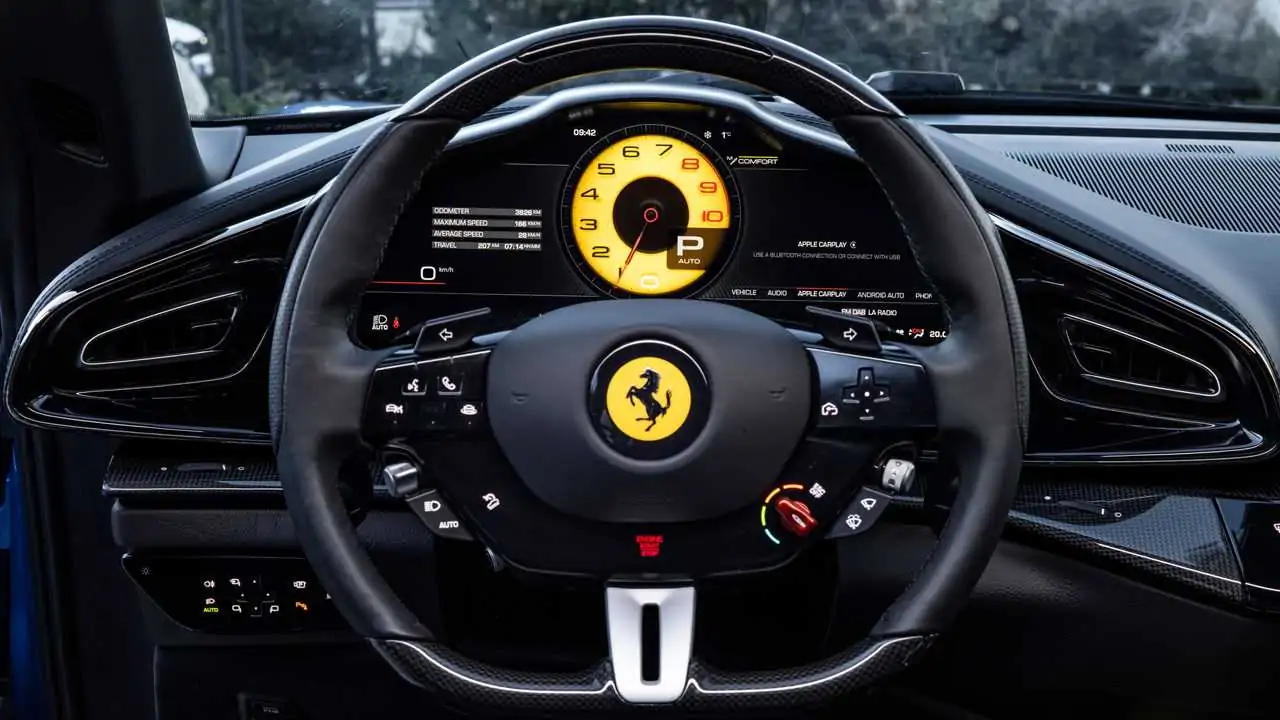
Ferrari has now said out loud what plenty of drivers had already suspected: touch-sensitive controls cost less to produce than traditional buttons. In an interview with Autocar India, CEO Benedetto Vigna said manufacturing costs for touch keys are 50 percent lower than for conventional switchgear. He also made Ferrari’s position unusually clear, saying, “The touch [button] is something that is made for the supplier’s advantage.”
That alone would have been notable. What makes it more interesting is that Ferrari is not defending the trend. Quite the opposite. The company is actively reversing course and reworking some of its recent interiors in response to complaints about touch-capacitive controls.
Maranello is now offering a retrofit for existing Purosangue and 12Cilindri models, replacing the steering wheel’s touch-operated controls with physical ones. That is not a small move, really. It amounts to Ferrari admitting the earlier solution did not land the way it should have.
Vigna also explained why the brand is prepared to accept the higher cost that comes with real buttons. While discussing the retrofit and Ferrari’s decision to “get rid of the touch” in those two V12 models, he said, “We have no problem going around with electronic consumer products that look the same. But we don’t like to go around with cars that all look the same. We need to do something unique. We are used to [doing] something else.” In other words, Ferrari is treating switchgear as part of its identity rather than just a cheaper piece of hardware.
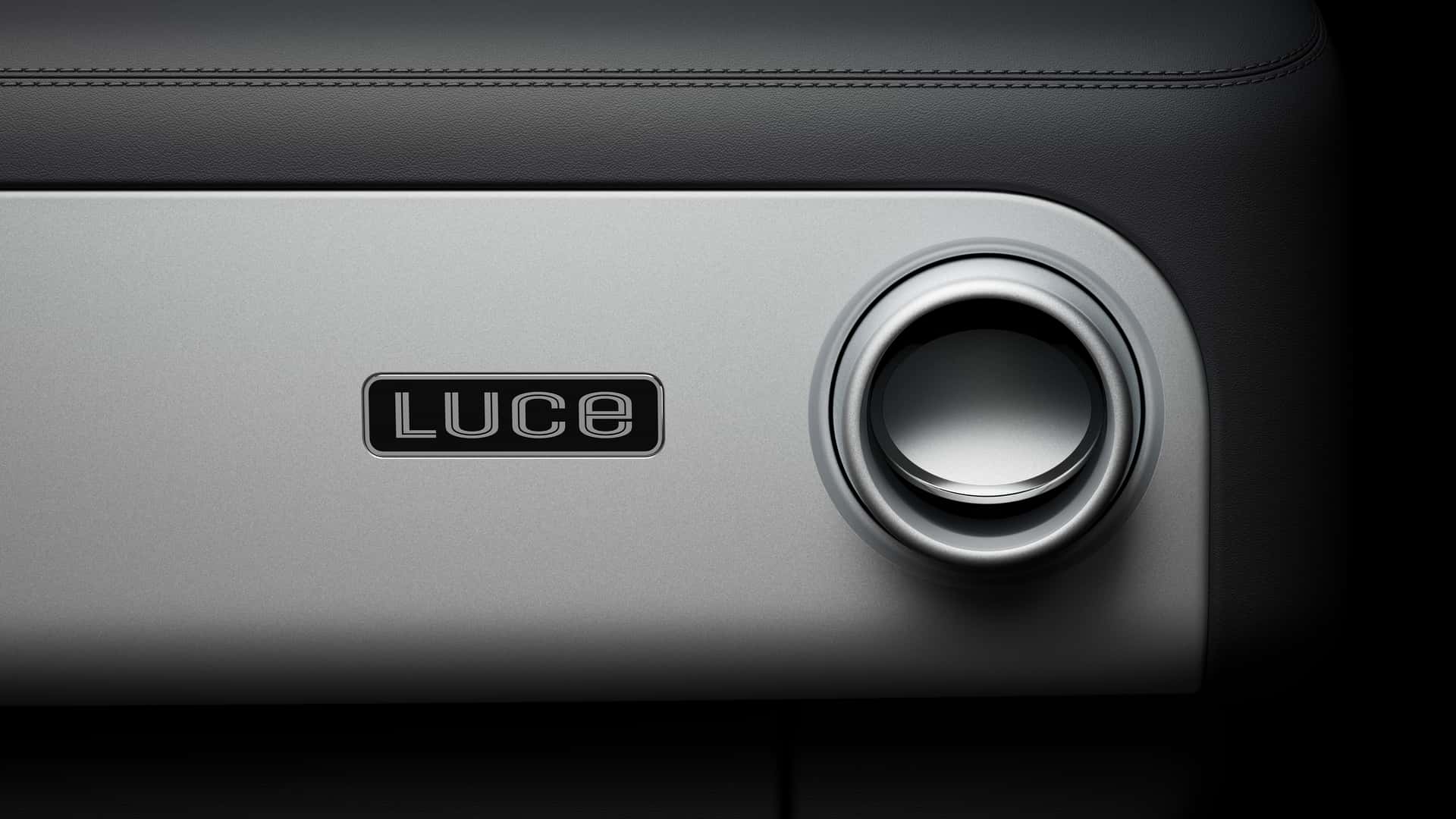
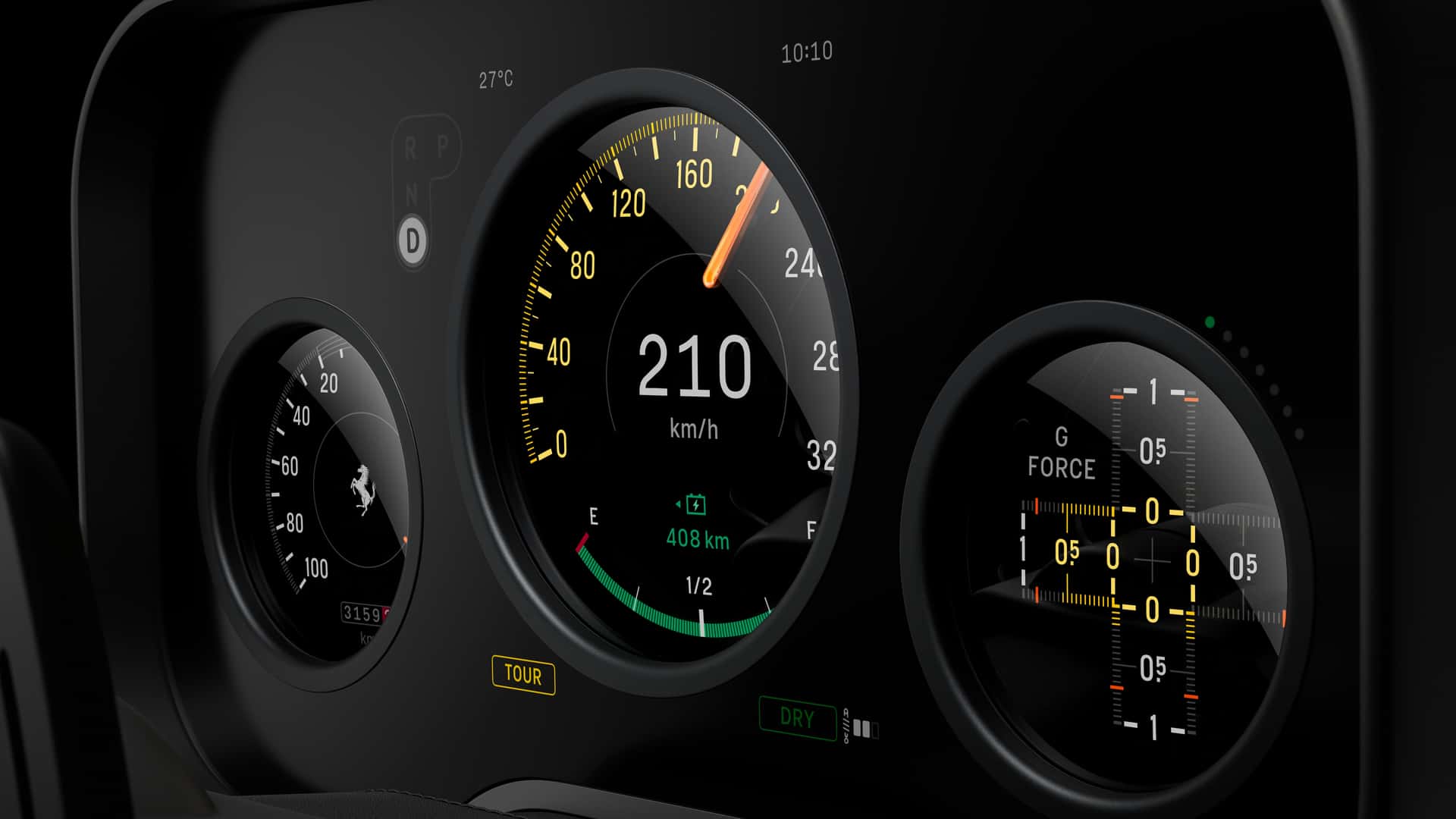
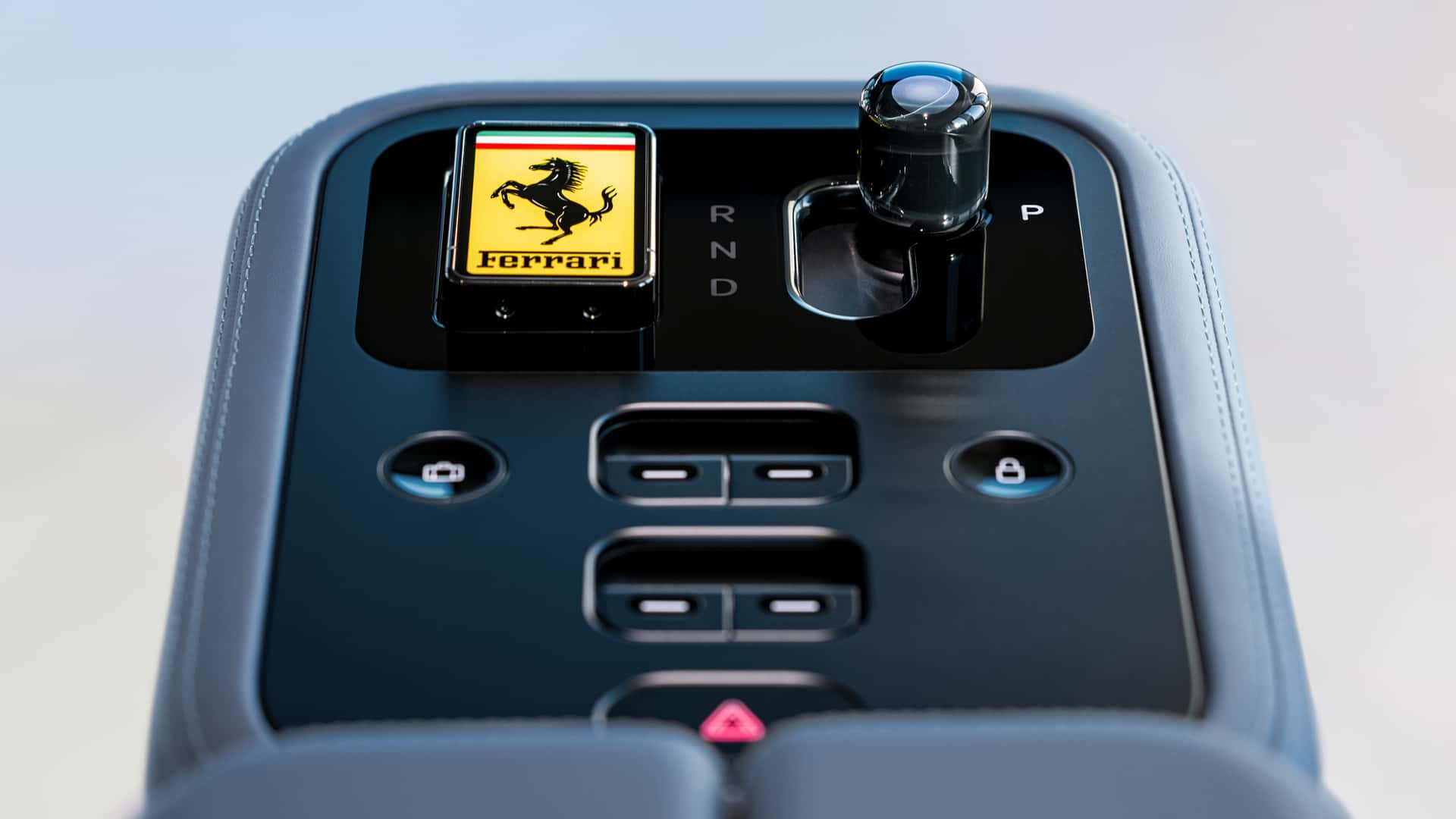
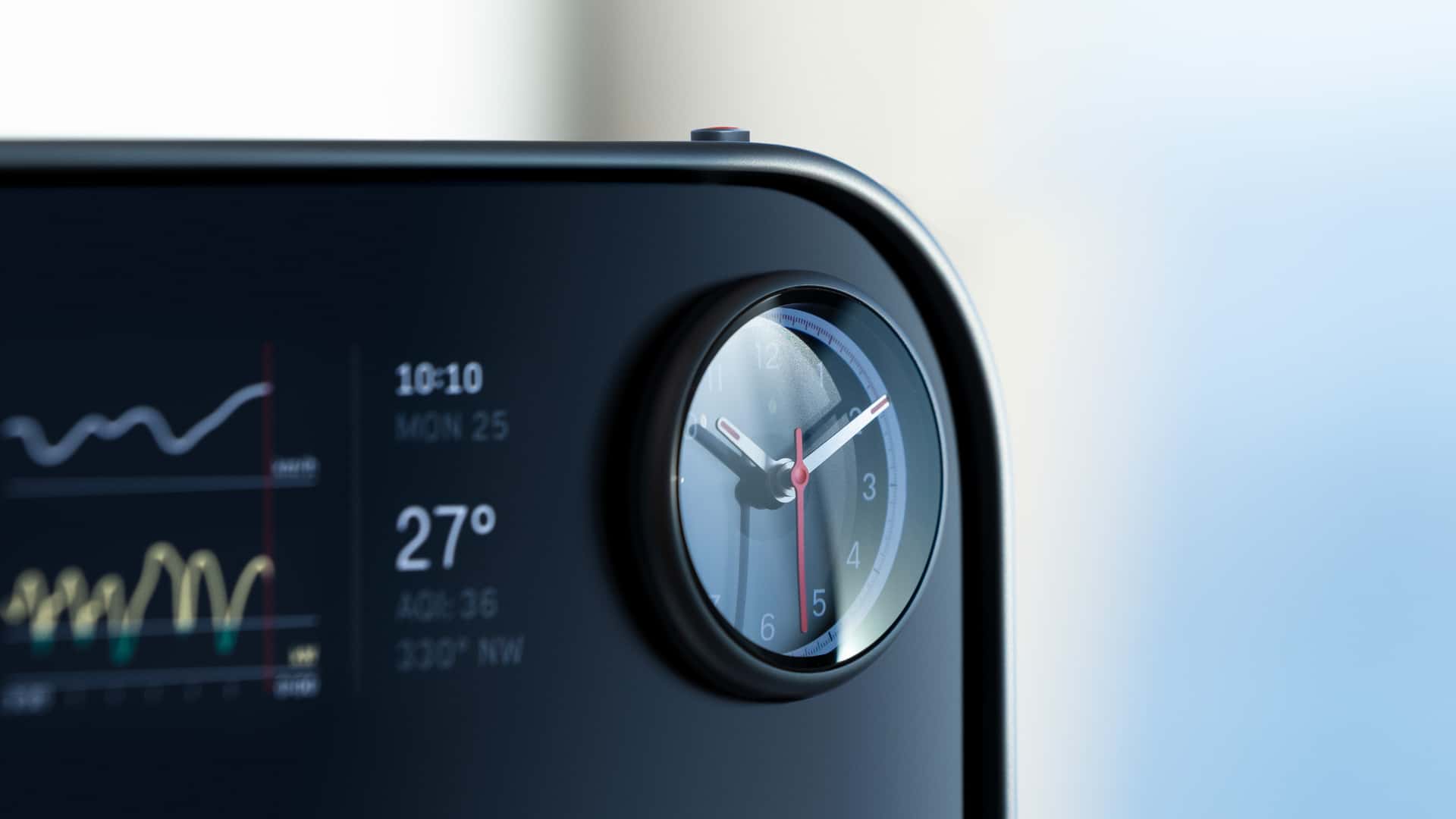
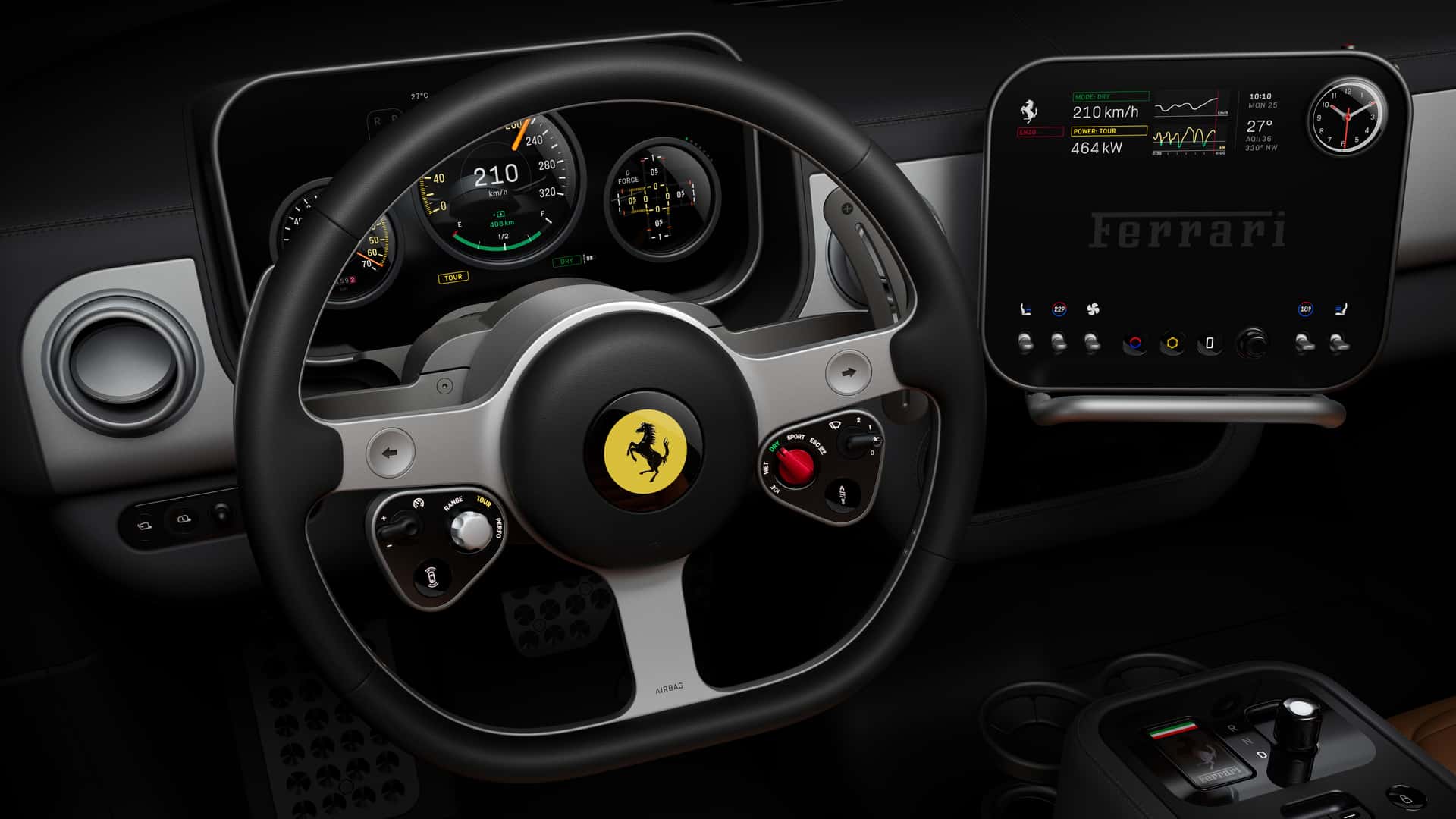
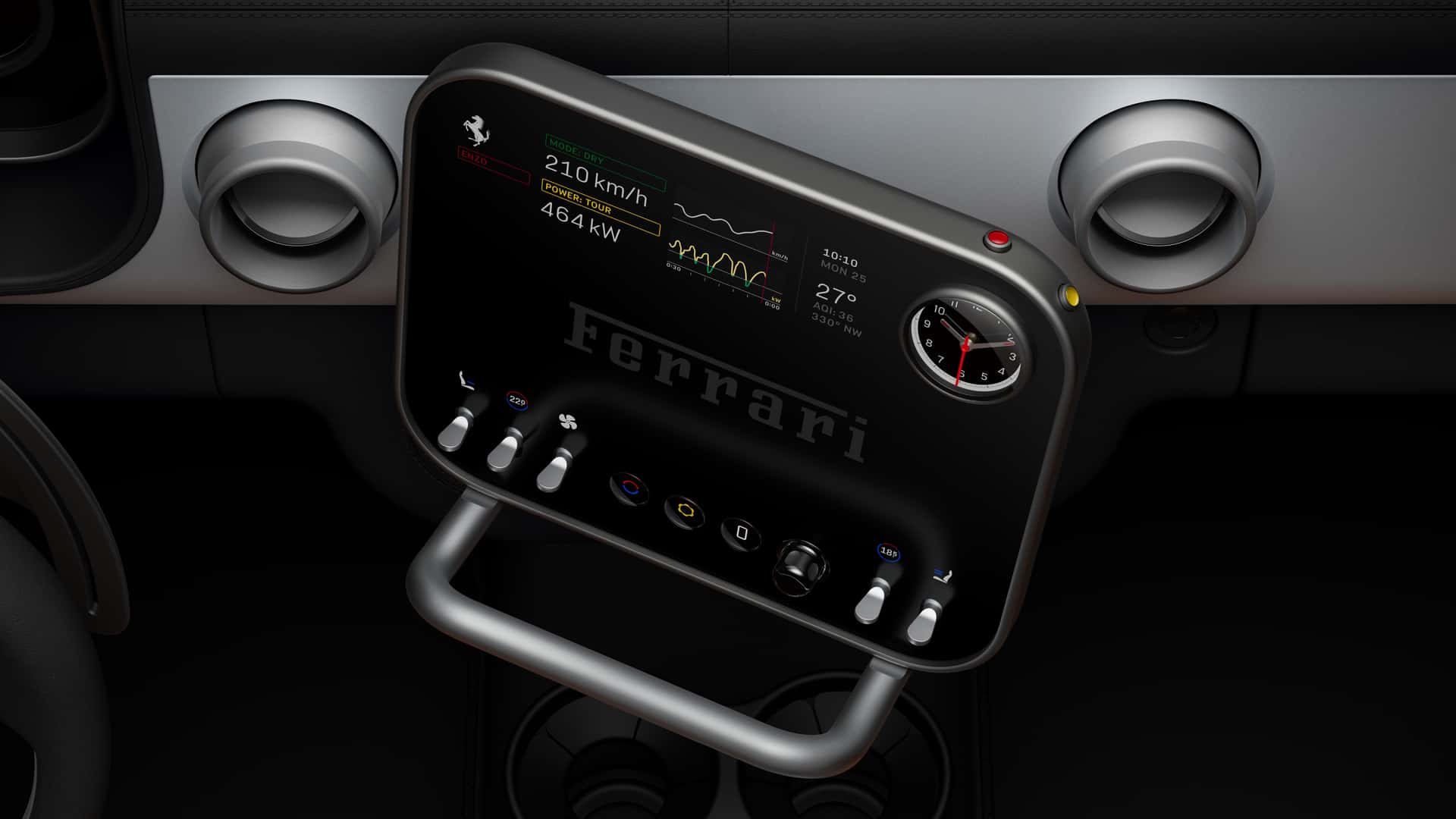
That thinking is set to show up even more clearly in the upcoming Luce. Ferrari’s first EV is described as the brand’s strongest example yet of a cabin that mixes digital interfaces with analog elements instead of leaning entirely on screens. Its interior was co-developed with LoveFrom, the American creative collective founded by Sir Jony Ive, Apple’s former design chief.
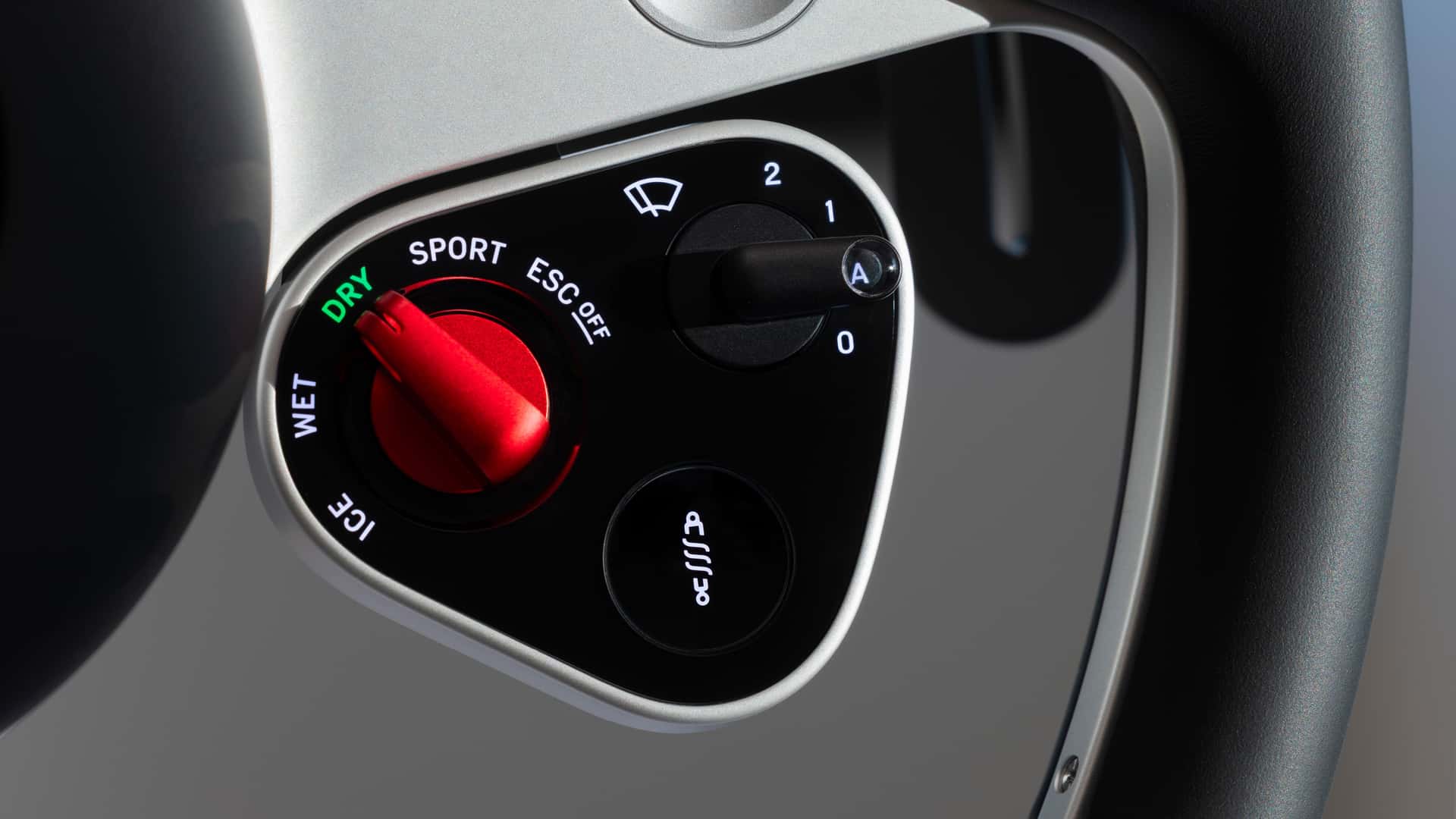
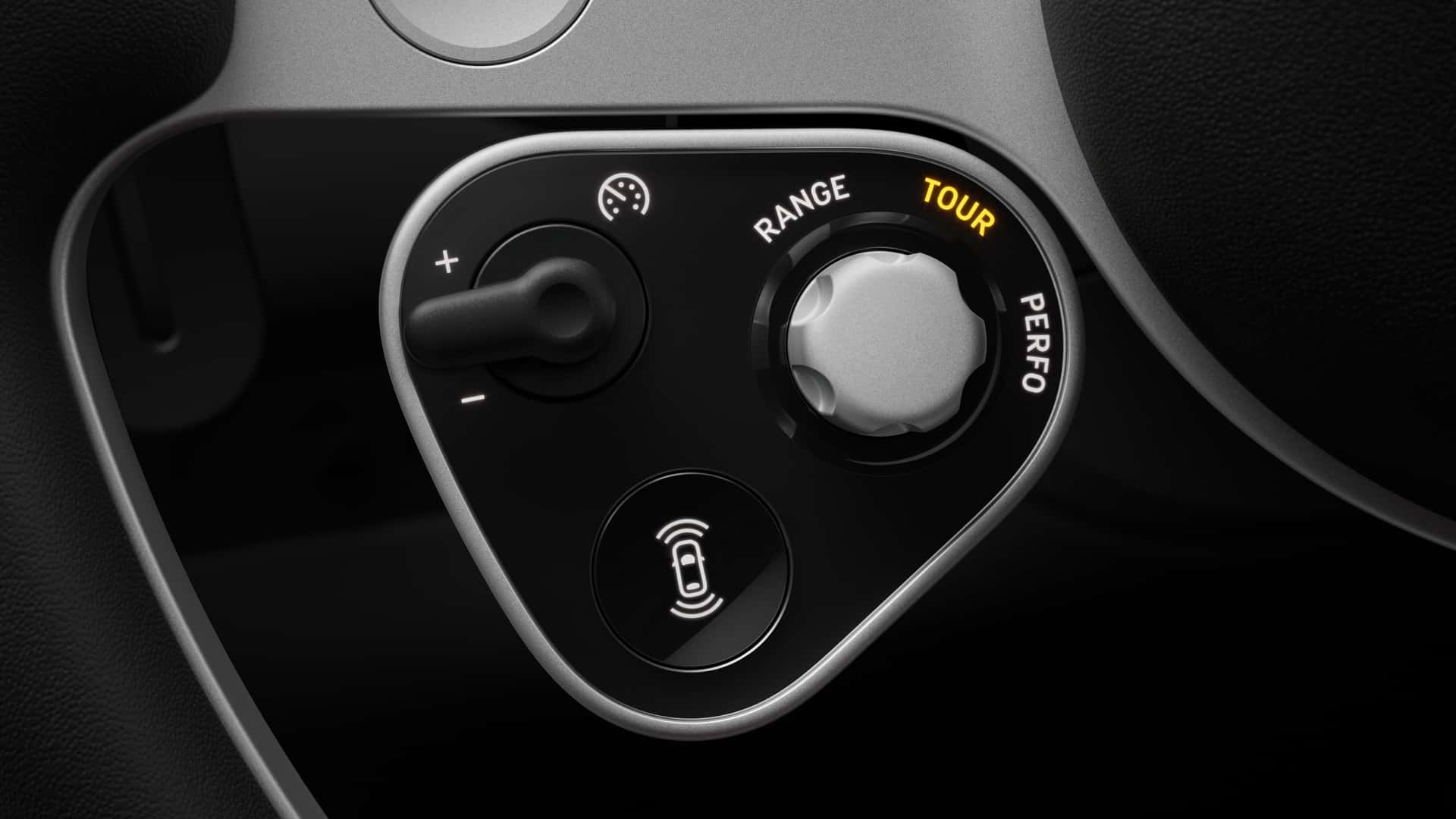
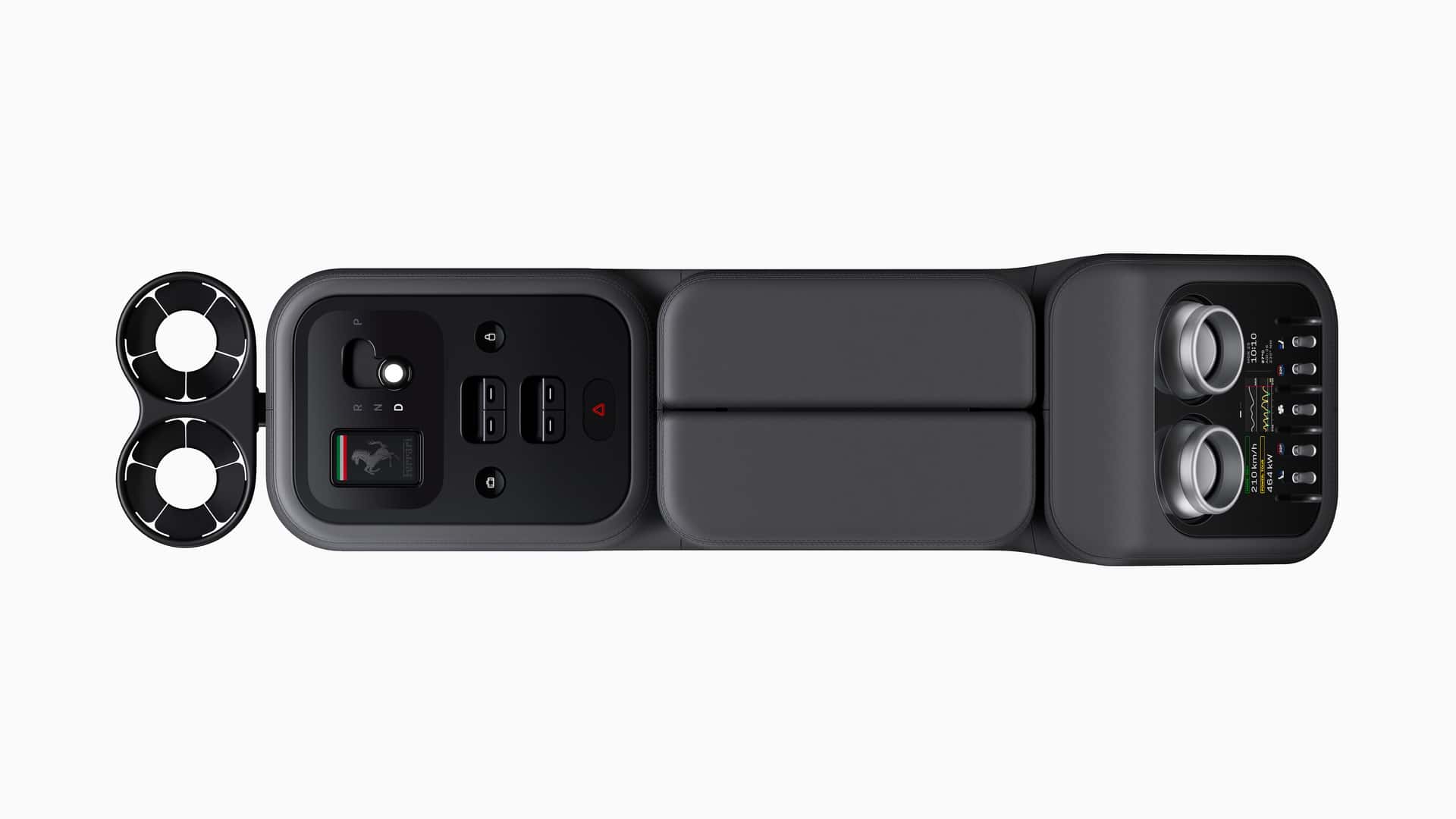
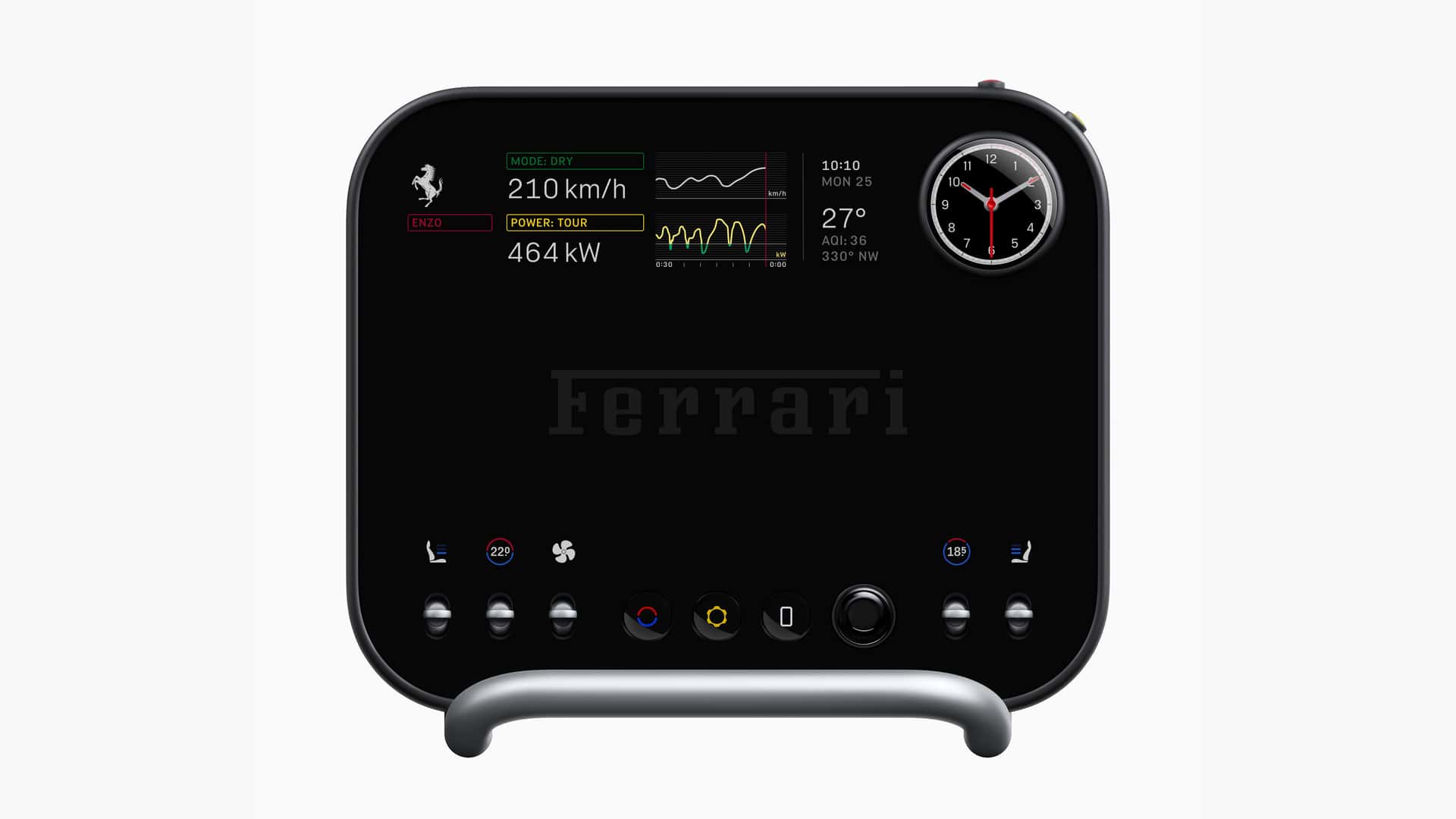
The Luce will feature proper buttons and switches developed specifically for the car, including dedicated HVAC controls. Ferrari is not burying those functions in the main screen. That decision alone says a lot about where the company now stands on usability. It also suggests the old idea that EV cabins must become screen-heavy by default is not something Ferrari intends to follow.
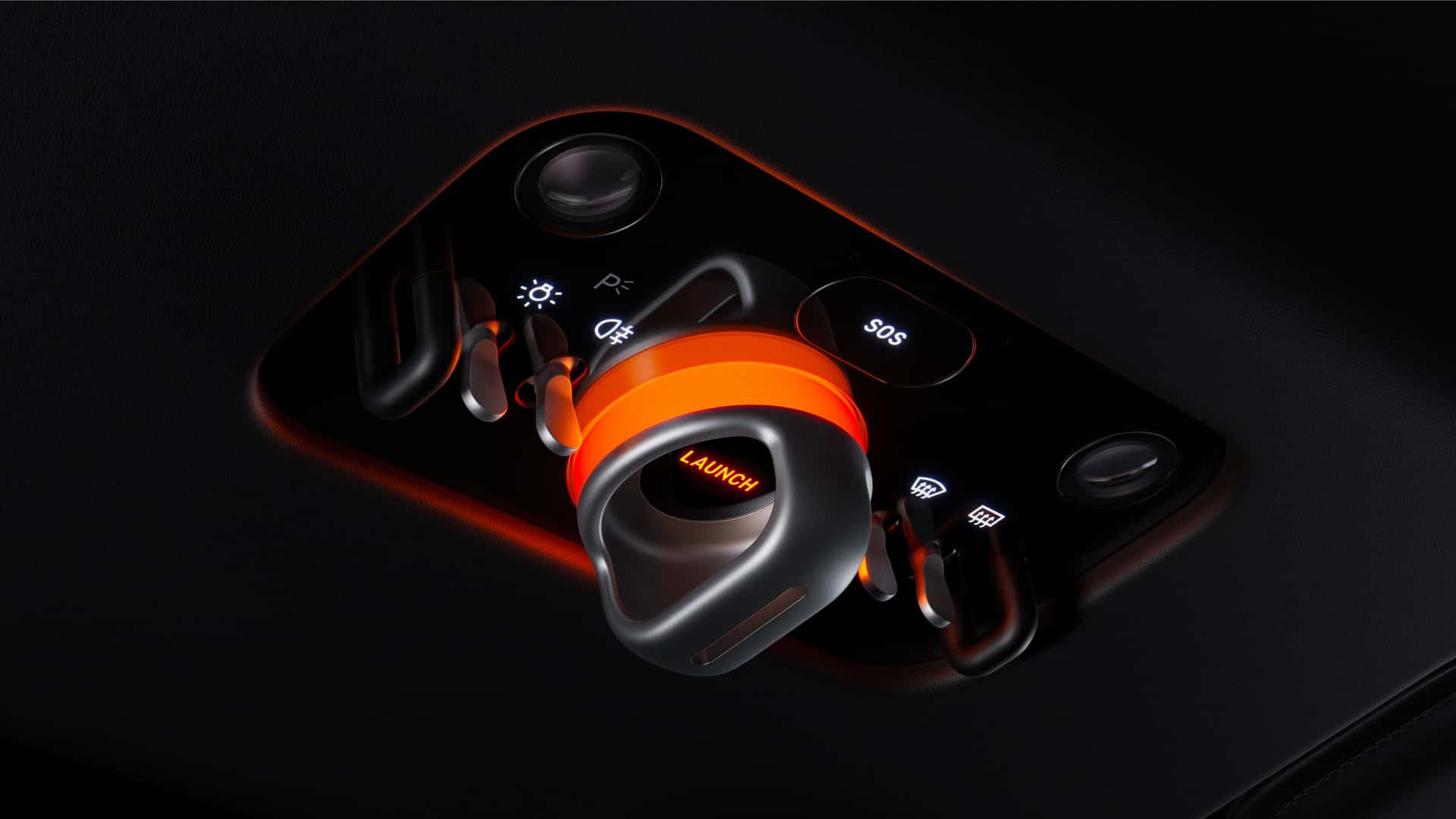
Naturally, this shift will not be cheap. The Luce is said to have an alleged starting price of over $500,000, and the hardware developed for it is unlikely to reduce that figure. Still, Ferrari appears willing to absorb the extra engineering and production costs if it means building interiors that feel more distinctive and less frustrating to use.
The wider industry is starting to bend in the same direction. Volkswagen Group is gradually dropping touch keys and restoring physical controls for functions that had been pushed into touchscreens. Hyundai, Kia, and Toyota are also trying to avoid too much dependence on displays, while BMW and Mercedes have gone much further in the direction of “minimalism.” Ferrari, for its part, seems done with that experiment.
Ferrari Luce Physical Buttons/Control Panel – Photo Gallery